02 Design coordination / From drawings to decisions
Many disciplines.
One clear direction.
A project is designed by several people. We connect their information, keep it aligned with your brief and budget, and bring you the decisions that need your attention while there is time to act.
- When
- Throughout design and into construction
- Focus
- Drawings, interfaces & client decisions
- Your outcome
- A coordinated design and a clear record of choices
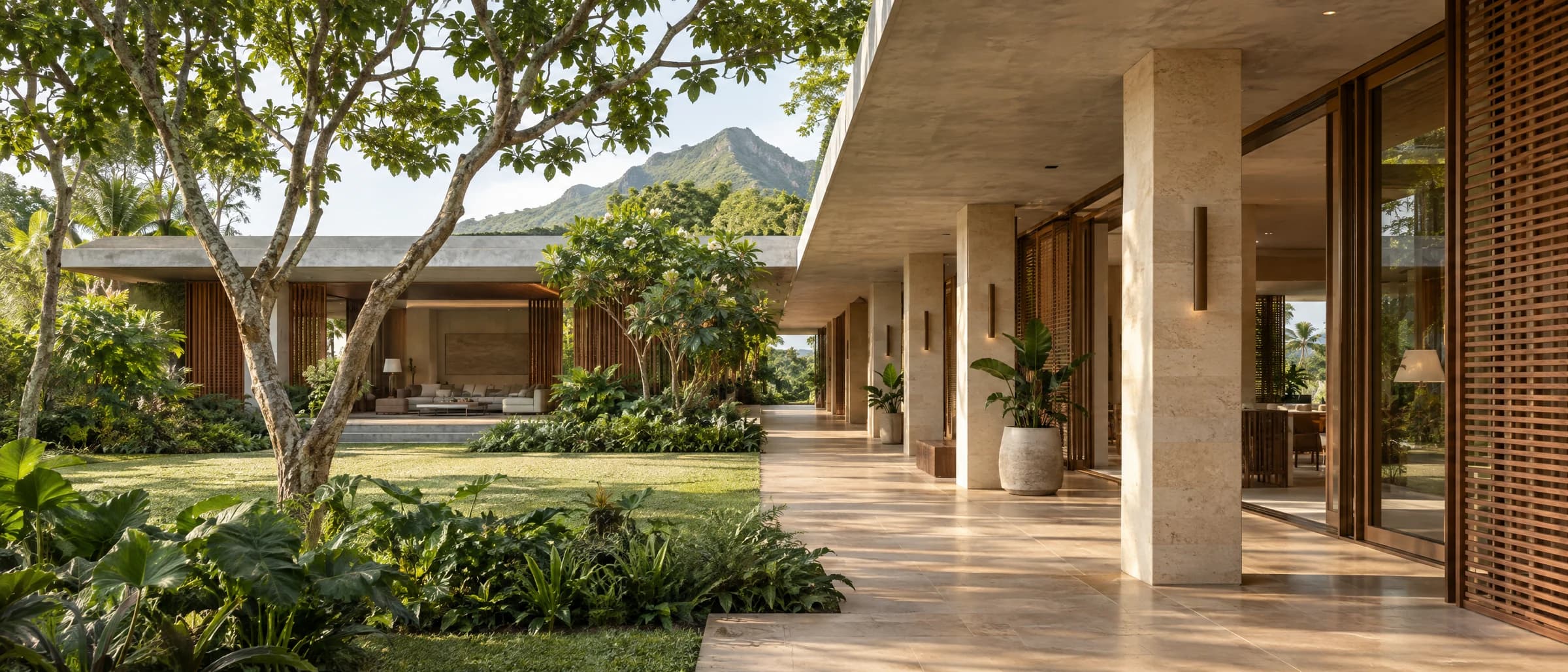
Connect the design
Five ways to keep the whole picture clear.
Coordination continues as the design develops. We connect the disciplines, make dependencies visible and follow the questions that need answers before information moves into procurement or onto site.
Give the team a shared starting point.
We bring your brief, the current design, consultant scopes and programme into one conversation. The team can see who is preparing each input, when it is needed and which questions remain open.
- Your priorities and the agreed design brief
- Responsibilities and the sequence of information
- Design meetings, actions and follow-up
What becomes clearA shared direction, with responsibilities and next actions visible.
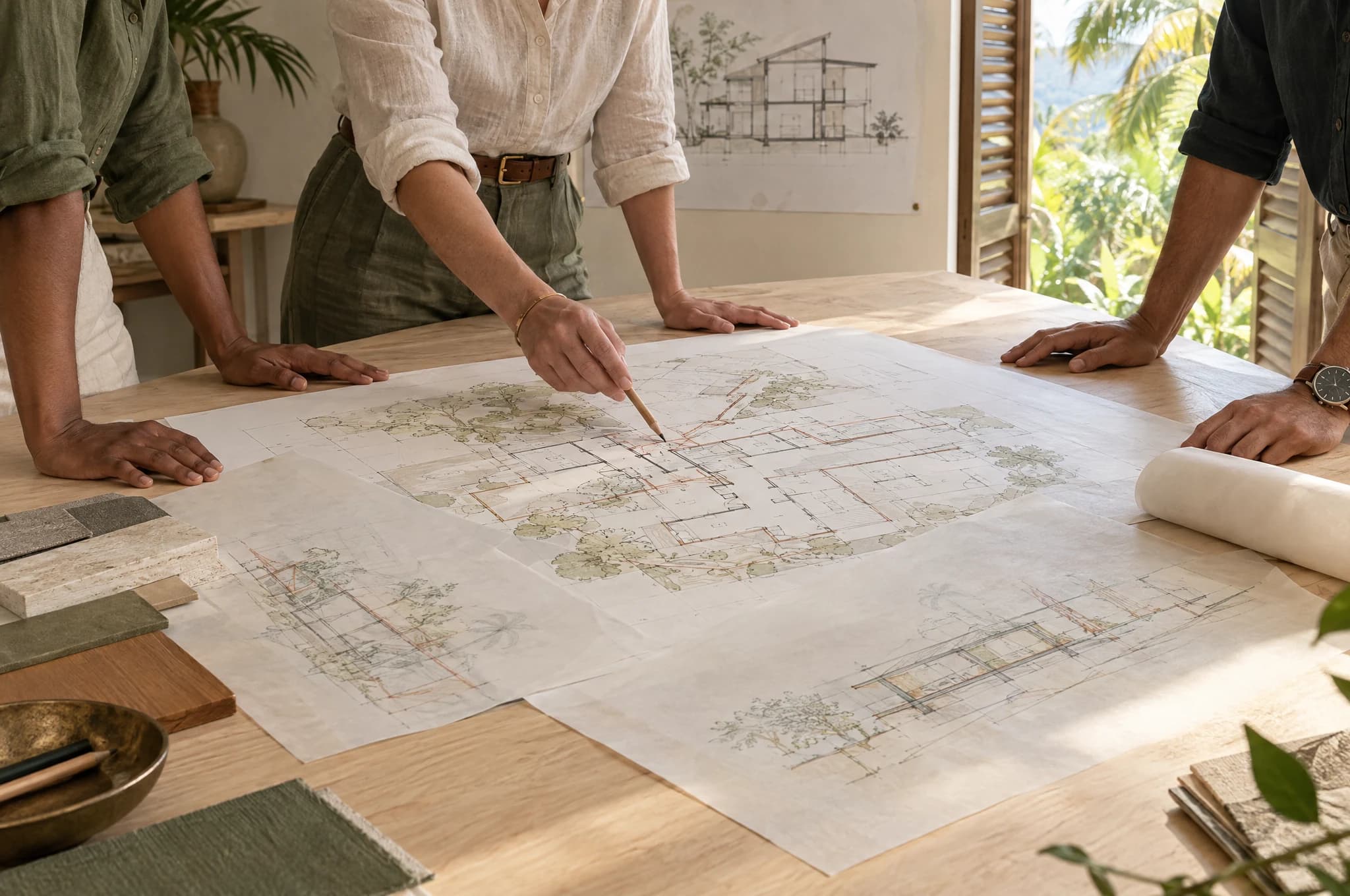
Make the drawings work together.
An opening, a beam or a service route can affect more than one drawing. We coordinate reviews across architecture, structure, building services and landscape, then track interface questions back to the responsible designers.
- Interfaces between the design disciplines
- Missing information and conflicting details
- Design queries followed through to a response
What becomes clearQuestions addressed by the right people before the detail reaches site.
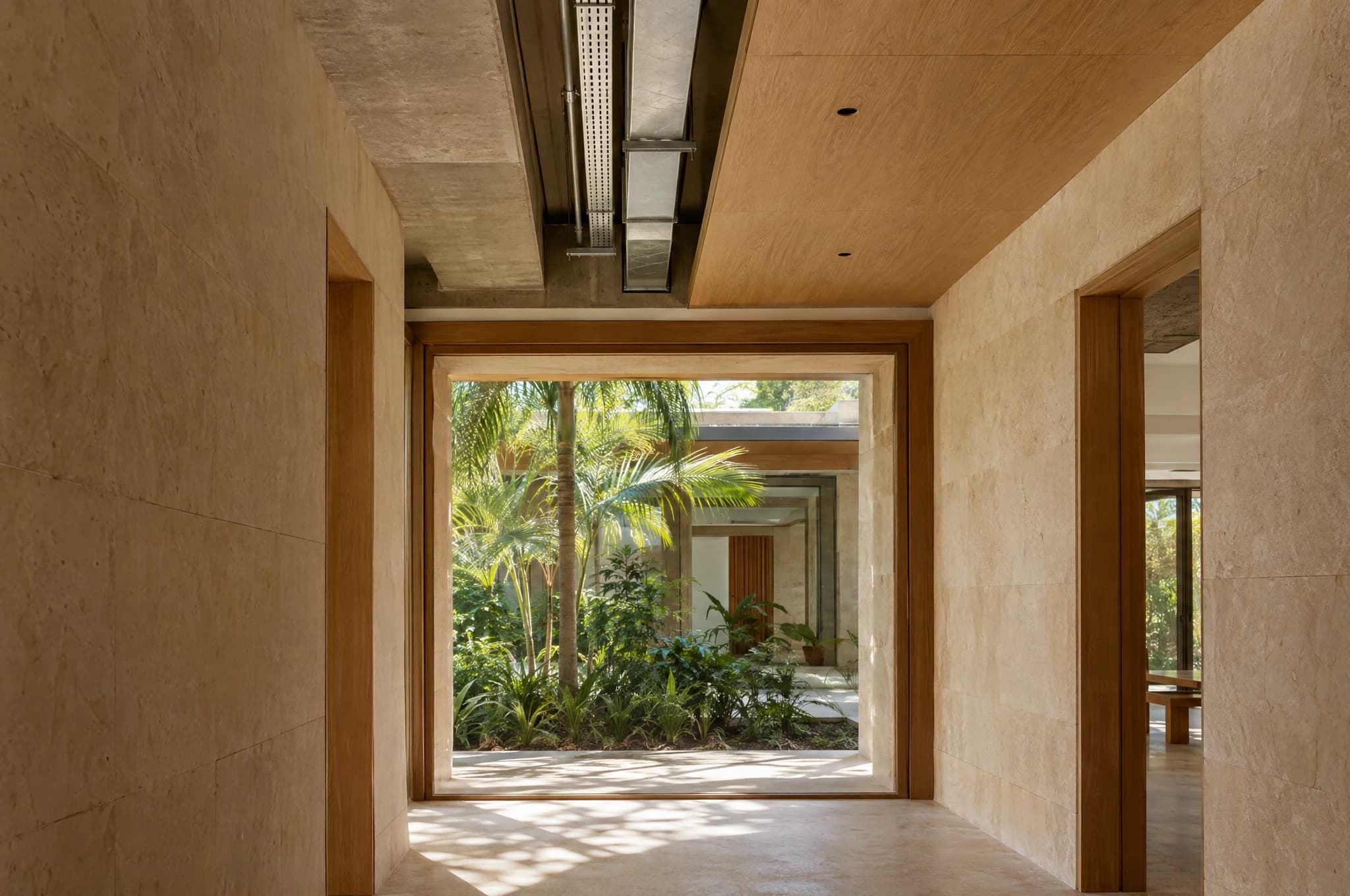
Bring you the choices that matter.
Your decisions should arrive with enough context to make them. We set out the options, the information available, the decision date and the consequences for cost, timing or other parts of the design.
- Materials, finishes and specialist selections
- Options, implications and decision dates
- Your response recorded in the decision register
What becomes clearAn informed choice and a record the team can act on.
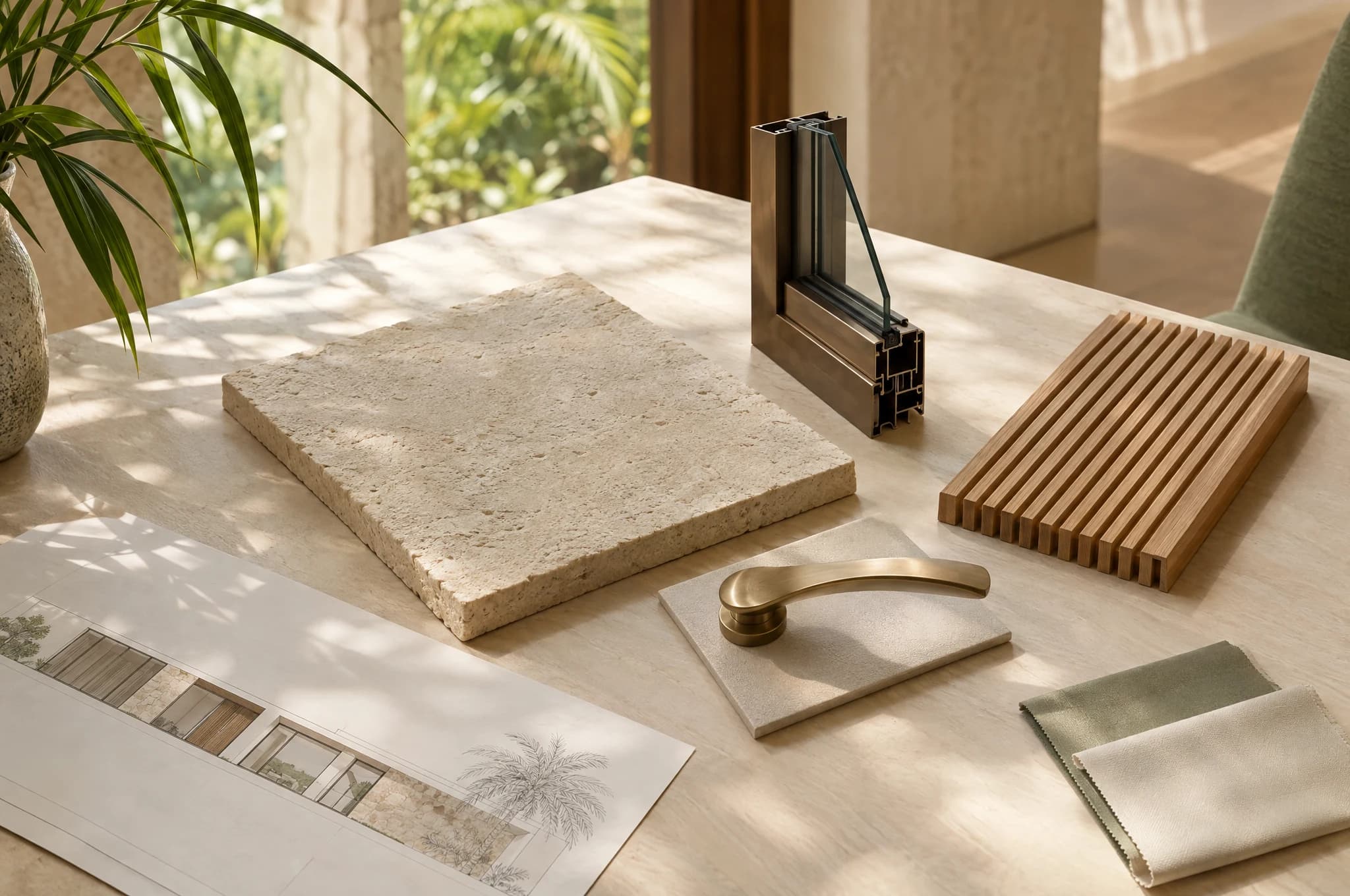
Keep ambition connected to cost and comfort.
As the design develops, we coordinate reviews against the cost plan and brief. Where a choice affects comfort, maintenance or running costs, we bring the relevant input from the designers and specialists into the comparison.
- Design development checked against the cost plan
- Material, shading and servicing choices considered together
- Cost, maintenance and performance implications explained
What becomes clearDesign choices considered with their wider implications.
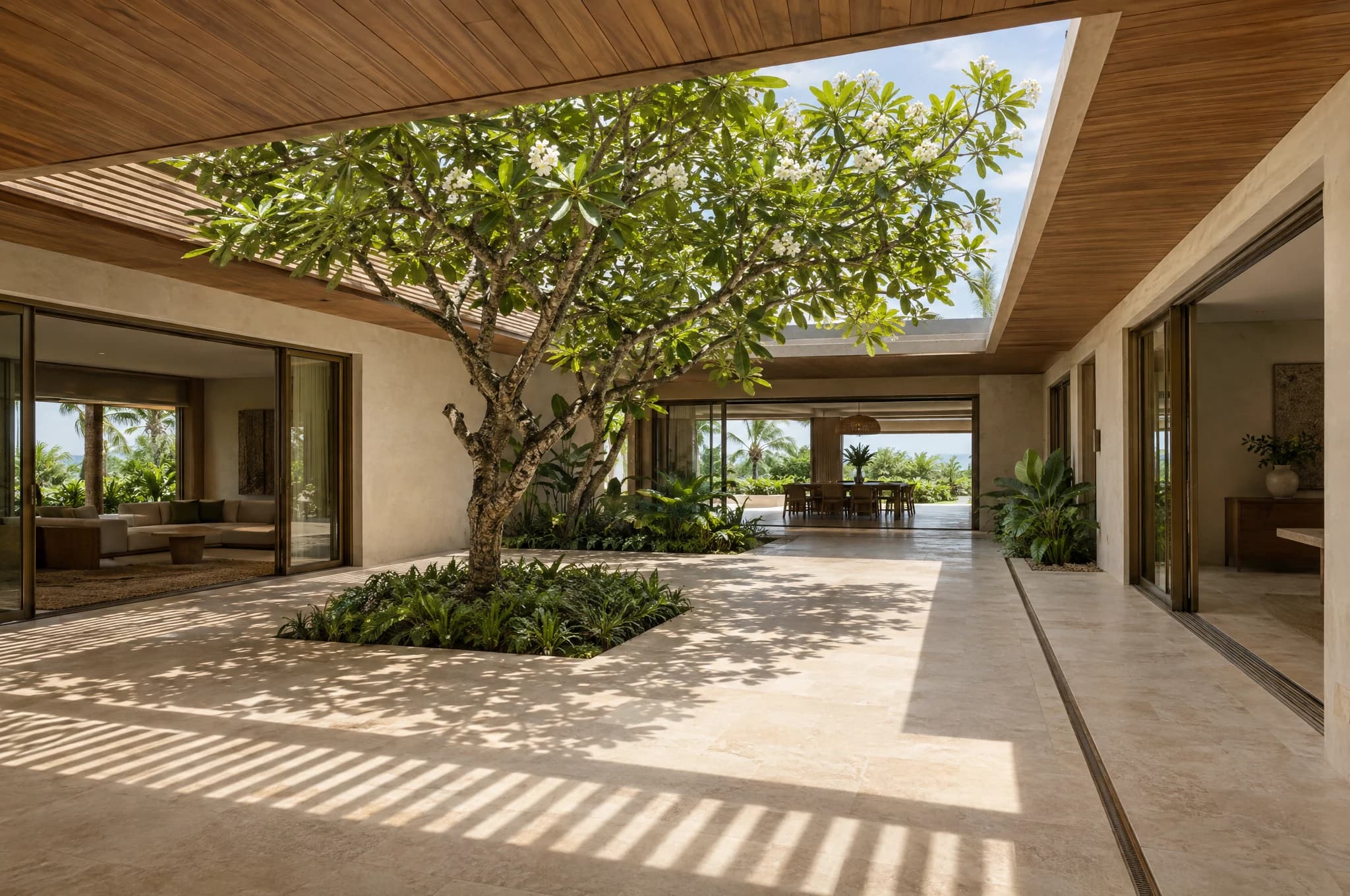
Move the right information forward.
A resolved decision needs to reach the drawings and the people using them. We coordinate the issue sequence, track revisions and outstanding queries, and keep the design conversation connected to procurement and construction.
- Coordinated drawing issues and revision records
- Design information needed for procurement and site
- Outstanding queries and actions followed to closure
What becomes clearA visible issue record and a clear route for remaining information.
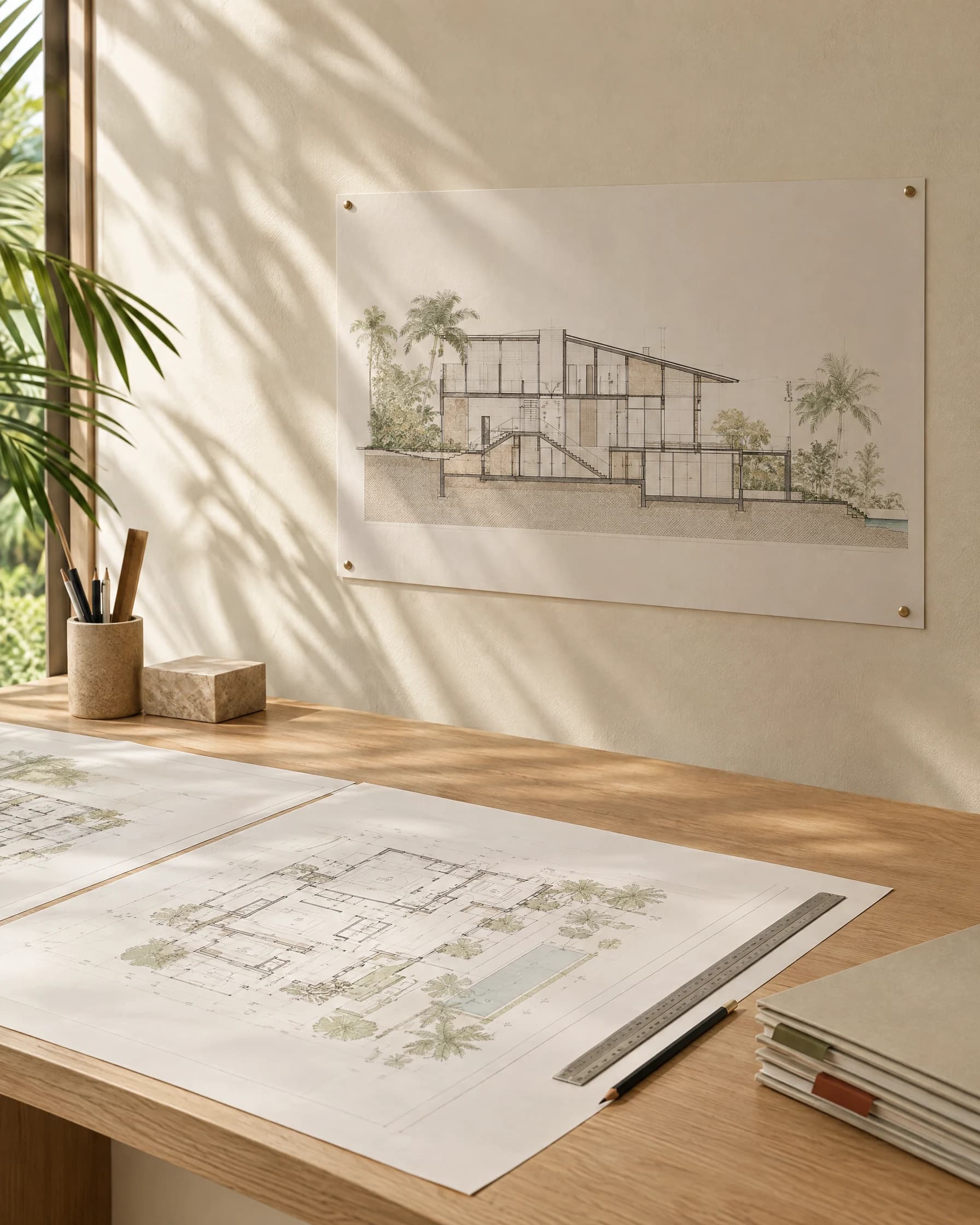
The record behind the design
Clear information. Traceable decisions.
The coordination record connects what was discussed, what you decided and what the team needs to do next. It remains useful as information moves into construction.
| The record | What it helps you understand |
|---|---|
| Coordinated drawing issues | Which design information has been issued and how the disciplines connect. |
| Decision register | The choices awaiting your input, their due dates and the responses recorded. |
| Design query tracker | Open interface questions, who owns the response and what is still needed. |
| Meeting minutes & action list | The agreed actions, responsibilities and follow-up from design meetings. |
| Design-stage cost reviews | How the developing design relates to the cost plan and the choices under review. |
| Drawing & revision register | The issue history and changes the team needs to communicate. |
Alongside your design team
One point of contact. A connected team.
We work alongside your architect, engineers and other specialists. Our role is to connect their inputs with your priorities and keep the questions, decisions and next steps visible to everyone involved.
- An architect already appointed
- Bring the wider consultant team, the budget and client decisions into a coordinated process.
- Several specialist inputs
- Connect interiors, landscape, structure and services on homes, developments and light commercial projects.
- A client living elsewhere
- Understand the decisions and progress of the design without attending every meeting in person.
Working together
A few practical questions.
Does VIDA replace my architect or engineers?
No. We coordinate the design process alongside them. The architect, engineers and specialists retain responsibility for their technical work; our appointment sets out the coordination and management scope.
Can you join after the design has started?
Yes. We begin with the current drawings, consultant appointments, cost plan and open questions. That helps establish a useful coordination scope and the information needed next.
How will I know when a decision is needed?
We keep a decision register that identifies the choice, the information available and the date needed by the team. Options and implications are explained before we ask for your response.
What happens if I change a selection?
We record the requested change and coordinate the relevant design, cost and programme input. You can then consider the implications before confirming a direction; the team’s drawings and records need to reflect the outcome.
Does coordination continue during construction?
It can. Site queries, specialist details and later selections often need further design input. The ongoing role and review process are agreed in the appointment and connected to the construction programme.
The next connection / 03
Carry the design through to the work.
Connect the agreed information to progress, quality, costs and changes as your project moves onto site.
Explore construction management